Stonehold Manor Exit Challenge
Reviews
Stonehold Manor Exit Challenge stands out for its calm, methodical approach to puzzle design. Each room feels carefully crafted, with clues that are satisfying to uncover. The inventory system adds a nice layer of strategy without becoming complicated. Playing with others enhances the experience, as different people spot different details. The gradual difficulty curve ensures that newcomers are not overwhelmed while still offering enough depth for seasoned puzzle fans. The bright, friendly graphics and lack of time pressure make it a relaxing yet engaging choice for anyone who enjoys thinking through problems.
About This Game
Room-by-Room Exploration
Stonehold Manor Exit Challenge places you inside a large, multi-room manor where each area presents its own set of obstacles. You start in a foyer and must work your way through living spaces, studies, and storage areas. Every room contains objects that may be useful later, such as keys hidden under cushions or notes tucked inside books. The game does not use timers, so you can examine each space at your own pace. Some rooms require solving a single puzzle to proceed, while others have multiple steps that build on each other. The layout encourages thorough searching because a clue in one room might be needed two rooms ahead.
Item Collection and Combination
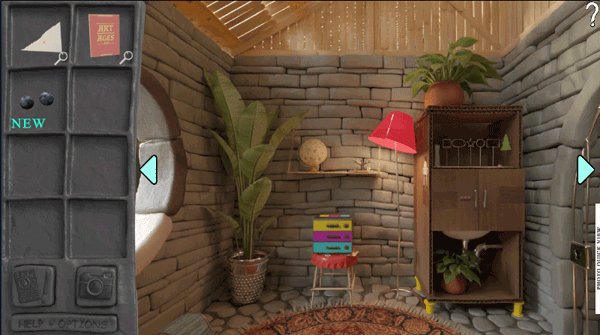
Throughout the manor, you pick up various items like tools, keys, and written notes. These are stored in an inventory that you can access at any time. The game asks you to think about how items might work together. For example, a crowbar might open a crate, but you first need to find the crate in a different room. Some puzzles require using items in a specific order, while others let you experiment freely. The inventory system is simple, with clear icons and descriptions, so you always know what you have. This mechanic adds a layer of strategy to the exploration, as you must decide which items to carry and where to try them.
Visual Design and Atmosphere
The manor is drawn with bright, colorful graphics that make each room feel distinct. The art style is friendly and inviting, with no dark or scary imagery. Furniture, decorations, and architectural details are rendered clearly, which helps you spot interactive objects. The color palette changes slightly from room to room, giving each space its own mood without becoming confusing. Background sounds are subtle, with gentle ambient noise like creaking floors or ticking clocks, but they do not distract from the puzzles. The overall presentation aims to create a comfortable environment where players can focus on thinking rather than feeling tense.
Collaborative Play Options
While the game works well for a single player, it also supports cooperative play. You can sit with a friend or family member and discuss each puzzle aloud. The game does not require multiple controllers or accounts; one person can handle the controls while others suggest ideas. This makes it a good choice for family game nights or classroom activities. Because there are no time limits or penalties, groups can take breaks and come back later. The puzzles are designed so that different people might notice different details, encouraging teamwork. This social aspect adds a layer of fun without changing the core puzzle-solving experience.
Progression and Difficulty Curve
Early rooms in the manor are straightforward, with obvious clues and simple locks. As you move deeper, puzzles become more layered, requiring you to remember information from earlier areas. The game never introduces a puzzle that feels unfair; each one has a logical solution that can be reached by paying attention to the environment. Notes left by the previous resident provide hints without giving away answers. The difficulty increases gradually, so new players can learn the mechanics before facing harder challenges. This structure keeps the game accessible to beginners while still offering enough complexity to satisfy experienced puzzle enthusiasts.
Compatibility
System Requirements
Comments
0 comments